


The rooms most at risk: tackling mould hotspots in your bathroom and kitchen
by Kath P on May 28, 2026
If you want to understand where mould is most likely to take hold in your home, start with heat and water. The two rooms that produce both in large quantities — your bathroom and kitchen — are responsible for the majority of indoor mould problems in Australian homes. Knowing exactly why, and exactly where to look, is the first step to staying ahead of it.
Why these two rooms are in a different category
A single load of washing hung indoors releases around two litres of moisture into the air. A boiling kettle, a simmering pot, a 10-minute shower — each sends a significant pulse of water vapour into the space around it. Without adequate ventilation, that moisture lingers, settles on cold surfaces and creates exactly the conditions mould needs: persistent dampness, limited airflow, organic material to feed on.
The CDC recommends keeping indoor humidity at no higher than 50% to inhibit mould growth. In an unventilated bathroom immediately after a shower, or a kitchen during cooking, that figure can spike well above 80%. The gap between those two numbers is where mould lives.
Bathroom: where mould hides
Bathrooms are high-risk for a handful of overlapping reasons: warm air, frequent moisture spikes, poor ventilation in older homes, cold tile surfaces that attract condensation, and organic material in grout, silicone seals and soap scum. The specific hotspots:
- Shower and bath silicone seals — once silicone is mould-stained, cleaning rarely gets it out; replacement is usually the answer
- Grout lines between tiles — porous and often damp, particularly in poorly sealed showers
- Ceiling corners — warm moist air rises and condenses on the coldest surfaces
- Behind the toilet — often poorly ventilated and rarely cleaned thoroughly
- Under the vanity — particularly if there's any slow leak from plumbing, even a minor one
- Bath mats and towels left damp — these don't grow mould themselves, but they contribute to ambient humidity if left without air circulation
Kitchen: the less obvious culprit
Kitchens are underestimated as mould hotspots. The combination of steam from cooking, condensation from cold surfaces (fridges, windows), and organic food residue creates multiple risk factors at once. Common problem areas:
- Window seals and frames — condensation forms here reliably in cold weather
- Behind the fridge — cool, dark, rarely cleaned and often dusty
- Beneath the sink — minor plumbing drips can go unnoticed for months
- The rubber seal of the dishwasher door — perpetually damp and rarely dried out
- Pantry corners — particularly if the pantry has an exterior wall and limited ventilation
The fixes that actually make a difference
Ventilation first
Run your bathroom exhaust fan during and for at least 30 minutes after every shower. Consumer Reports and building experts consistently cite this as the single most effective bathroom mould prevention measure. In the kitchen, use the rangehood while cooking and for several minutes after. Close internal doors while generating steam so moisture doesn't migrate to other rooms.
Keep the door closed, window open
During a shower, keep the bathroom door closed (to prevent humid air spreading through the house) and crack a window if you have one. After, open both to flush the room out.
Dry surfaces after use
A quick wipe of tiles and screens after showering removes the standing water that mould starts with. It takes 30 seconds and makes a meaningful difference in high-use bathrooms.
Monitor and control humidity
A cheap hygrometer in both rooms tells you exactly what you're dealing with. If humidity consistently stays elevated — even with ventilation — a dehumidifier in an adjacent space or a compact unit for the room itself will do what fans alone can't manage.
Backup for the rooms that need it most
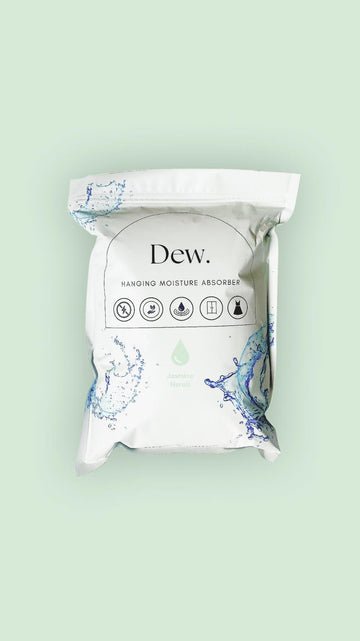
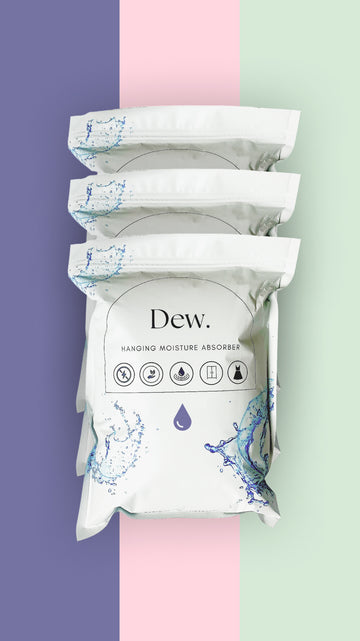
When ventilation alone isn't enough — especially in bathrooms without windows, or kitchens in humid climates — a Dew Moisture dehumidifier gives you reliable, automatic control. See our compact range.


