



What causes mould to grow inside a home?
Mould needs four things to grow: a food source, the right temperature, oxygen and moisture. Three of those are baked into the way we live — there is always organic material around (dust, fabric, timber), Australian homes sit in mould's preferred 5–35°C range, and oxygen is everywhere. Moisture is the only condition you can realistically control, which is why every mould-prevention approach focuses on it.
Where does the moisture actually come from?
Most household moisture is not from leaks. It is from everyday living. A family of four produces roughly 12 to 14 litres of moisture a day through breathing, cooking, showering, washing and drying. In a well-ventilated home, that moisture leaves through windows, vents and gaps. In a sealed apartment in a humid climate, it accumulates.
Why some rooms grow mould and others don't
Rooms grow mould when the moisture coming in exceeds the moisture going out. Bathrooms, laundries, kitchens, wardrobes and bedrooms (the last because we exhale into them all night) sit highest on the input side. North-facing rooms with good ventilation sit highest on the output side. The mould-prone rooms in your home are simply the ones where the maths is not in your favour.
Common myths about mould causes
- Myth: Mould is caused by dirt. Truth: dirt feeds mould, but moisture is what activates it.
- Myth: New homes don't get mould. Truth: new builds are often the worst because construction moisture is trapped behind sealed plasterboard.
- Myth: Mould is a winter problem. Truth: in Sydney and Brisbane, summer humidity is the bigger driver. Winter mould is mostly a condensation issue.
- Myth: Bleach kills mould permanently. Truth: bleach removes the colour. The roots stay unless the moisture is removed too.
What you can actually change
Three habits move the dial more than any product: open windows for ten minutes a morning, run the bathroom fan during showers and for ten minutes after, and never put away laundry that is even slightly damp. Combine those with a passive moisture absorber in any closed space (wardrobe, linen closet, under-sink cupboard) and most Australian homes stop growing mould.
Related reading
- Mould vs mildew — what's the difference?
- Is mould in your home actually dangerous?
- How to test the humidity in your home
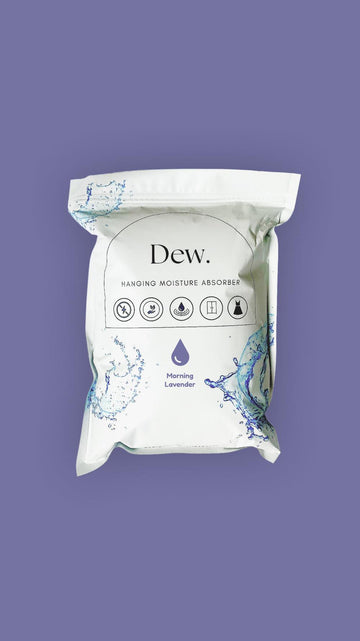
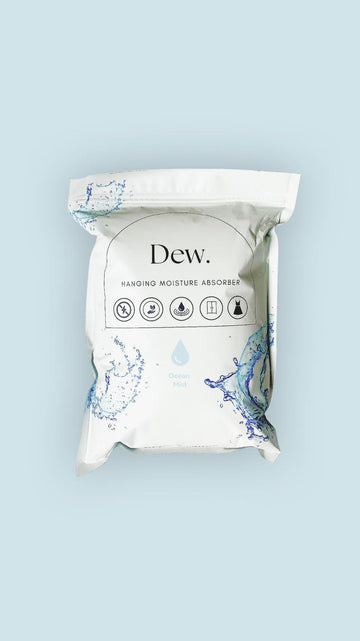
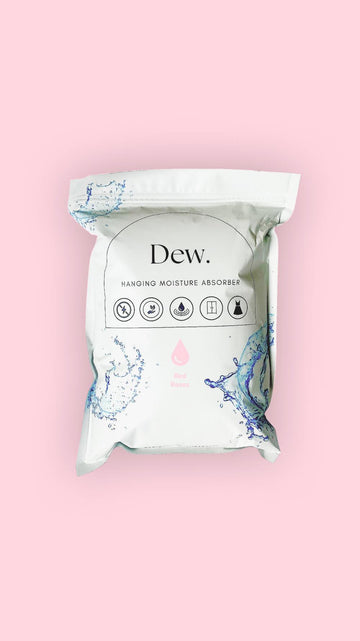
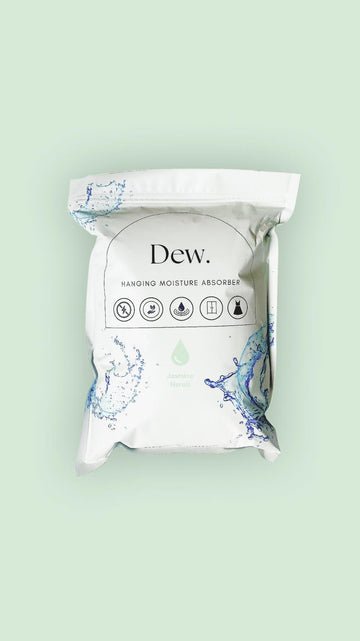
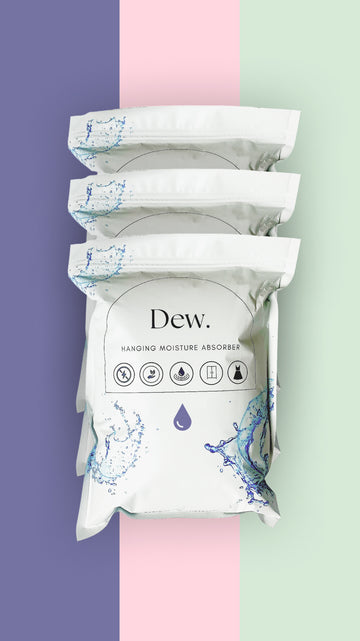
Prevent mould before it starts. Dew.'s hanging moisture absorbers target the root cause of mould — excess humidity — by quietly absorbing moisture in your wardrobes, cupboards and storage spaces for up to 60 days.


