


Why do some homes feel naturally fresh and others don't?
A fresh home isn't about cleaning more often. It's about three quiet things: airflow that moves continuously rather than in big weekly bursts, soft furnishings that have somewhere to dry between uses, and the absence of any single trapped musty pocket — wardrobe, linen closet, under-sink cupboard — quietly dragging the whole house down.
The 80/20 of feeling fresh
Twenty percent of effort delivers eighty percent of the freshness. Open one window for ten minutes a morning. Don't store anything damp. Keep wardrobe doors slightly open between uses. Run extractor fans for longer than feels necessary. Add a passive moisture absorber to any space that doesn't dry out on its own. Five small rituals; the rest takes care of itself.
The invisible signals of a fresh home
- You can't smell the kitchen from the living room
- Wardrobes don't have a different smell from the rest of the bedroom
- Towels dry between showers
- Stored bedding smells like nothing in particular when you take it out
- Leather goods don't surprise you with a musty note
- Windows are clear of condensation by mid-morning
Why scent doesn't equal fresh
Scented candles, plug-in air fresheners and sprays mask scent rather than create freshness. A genuinely fresh home doesn't need them. The principle Dew is built on is that the absence of mustiness is freshness — once you remove the underlying moisture and stale air, the home reads as fresh without anything performing the freshness for it.
The Dew approach to a fresh home
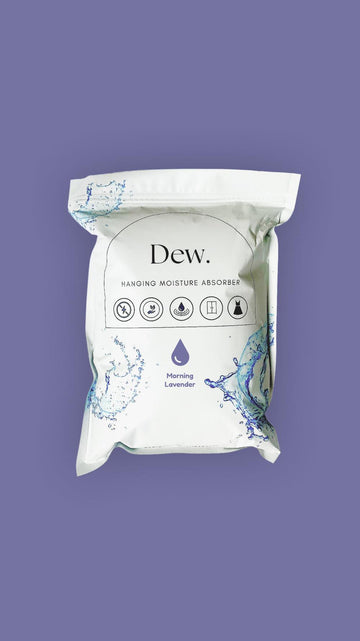
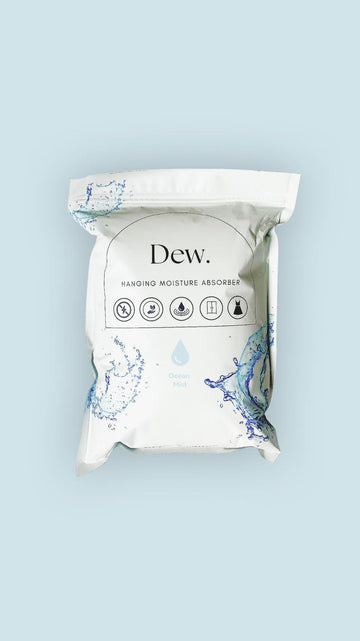
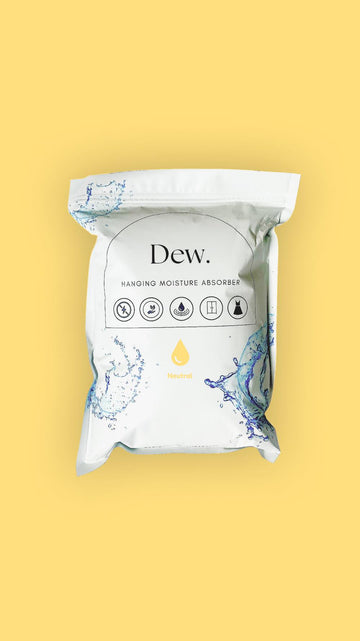
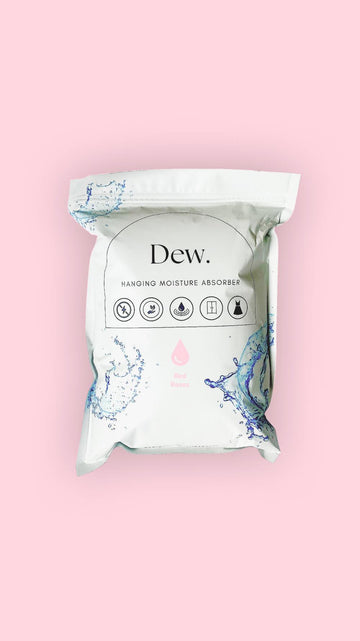
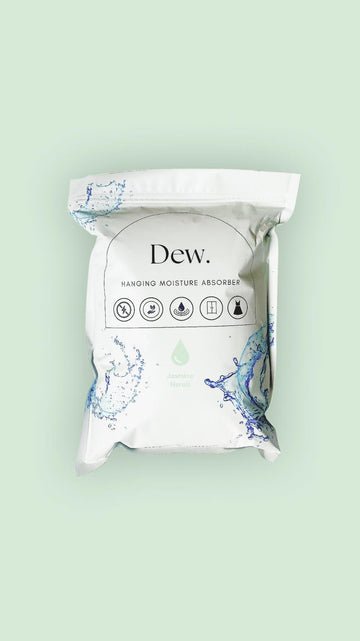
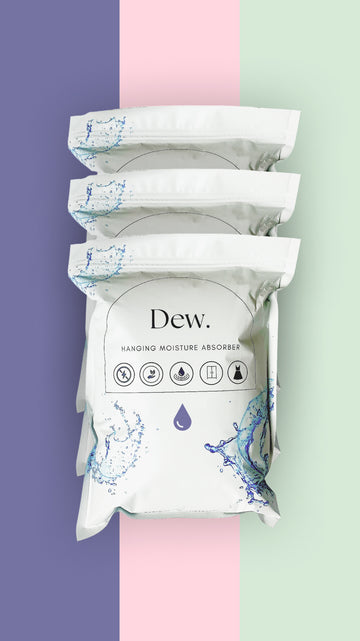
Dew's philosophy is that a fresh home is a quiet daily ritual rather than a Sunday project. The pouches work in the background for sixty days at a time, in the spaces most likely to develop mustiness, in scents tuned to the rooms they live in. Less effort, less drama, more freshness. Fresh homes, quiet confidence.
Building the ritual
Pick one closed space — usually the bedroom wardrobe — and add a Dew pouch this weekend. Notice the difference in two weeks. Add a second pouch to the linen closet. Then the laundry, then the bathroom. The whole-home freshness builds room by room, never all at once. By the end of a season, the home feels different in a way that visitors notice but can't quite name.
Related reading
- How to test the humidity in your home
- What's the right humidity level for an Australian home?
- What causes mould in homes?


