


Why Lavender Works in the Wardrobe: The Science Behind the Scent
by The Dew Team on Jun 03, 2026
Lavender works in the wardrobe because its essential oils — mainly linalool and linalyl acetate — are natural insect repellents that moths actively avoid, while also masking the slightly stale smell of enclosed fabric storage. It doesn't kill mould or solve humidity problems, but as part of a complete wardrobe care system, it's one of the most effective natural additions you can make.
A short history of lavender and laundry
People have stored lavender with their linens for at least 2,000 years. The Romans used it in their bathhouses (the name comes from the Latin lavare, to wash). Medieval European homes hung dried lavender bunches in wardrobes and chests. Victorian-era linen closets routinely included lavender sachets. The practice predates the chemistry that explains why it works — but the chemistry is interesting in its own right. (For the practical use guide, see our companion piece on lavender's wardrobe benefits.)
The active compounds in lavender
Lavender essential oil contains around 100 different chemical compounds, but two account for most of its effects in the wardrobe:
Linalool
Linalool is the dominant compound in true lavender (Lavandula angustifolia), making up 25–40% of its essential oil. Studies show linalool is repellent to several insect species including the common clothes moth (Tineola bisselliella) and the casemaking clothes moth (Tinea pellionella). Importantly, it doesn't kill them — it just makes them prefer to be somewhere else.
Linalyl acetate
Making up 25–45% of lavender oil, linalyl acetate is what gives lavender its sweeter, slightly fruity character. It also contributes to insect repellency and is the compound most responsible for the calming aroma humans associate with lavender.
Together, these two compounds create the distinctive lavender scent and provide a passive deterrent against the pests most likely to damage clothing in storage.
What lavender does — and doesn't — do
It's worth being clear about what to expect:
What lavender does
- Deters moths and some other fabric pests while the scent is fresh
- Masks stale air in lightly used storage spaces — great for the kind of staleness covered in our piece on why wardrobes smell musty
- Adds a pleasant scent to fabric stored alongside it
- Provides mild antibacterial action against surface bacteria (though not enough to clean clothes)
- Creates a sensory signal of care — you smell it when you open the wardrobe, and the space feels actively maintained
What lavender doesn't do
- Kill mould — it doesn't reduce humidity, which is what mould needs (see our signs of wardrobe mould guide for what to actually watch for)
- Permanently eliminate moths once they're established — it deters, but won't fix an active infestation
- Last forever — the volatile oils dissipate over weeks to months
- Replace cleaning — lavender masks stale air, but it can't substitute for properly cleaning storage
How to use lavender in the wardrobe effectively
Dried lavender sachets
The classic. Fill small cotton or muslin bags with dried lavender flowers. Place 2–3 in each wardrobe — one at the top of hanging space, one in drawers, one tucked among stored seasonal pieces. Refresh the lavender every 3–6 months by squeezing the bags to release the oils, or replacing with fresh dried flowers. They're especially useful with stored seasonal pieces — our guide on storing winter coats over summer covers how to layer them in.
Lavender essential oil
A few drops on a cotton ball, placed in a small ceramic dish or fabric pouch on a shelf. More concentrated than dried flowers, but the scent dissipates faster — top up every 2–3 weeks.
Lavender-scented moisture absorbers
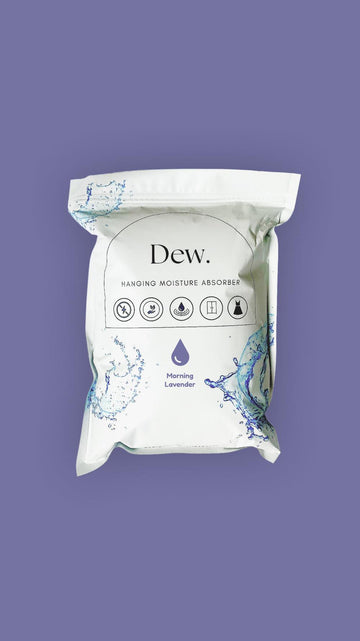
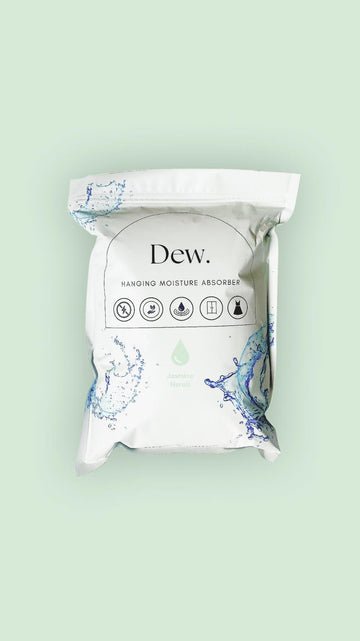
Combine humidity control and natural scent in one product. The slow release of fragrance from a continuously-working absorber means you don't have to remember to refresh anything — the scent renews itself for the full life of the unit.
Lavender-infused linen sprays
Light misting over clothes before storage. Use sparingly to avoid leaving spots on delicate fabrics. Best for cotton and linen pieces being put away for the season — a nice habit to add into your annual wardrobe spring clean.
Which lavender variety matters
Not all lavender is equal:
- True lavender (Lavandula angustifolia): The classic, gentlest, most pleasant scent. Best for wardrobes where people will smell it daily.
- Lavandin (Lavandula × intermedia): A hybrid with higher camphor content. Stronger scent, more potent insect repellent, but harsher. Better for archive storage than everyday wardrobes.
- Spike lavender (Lavandula latifolia): Even more camphor-heavy. Reserve for serious moth problems; the scent is more medicinal than soothing.
For most home wardrobe use, true lavender from a reputable source is the right choice.
Pairing lavender with humidity control
Lavender's biggest limitation is what it doesn't do: control moisture. The most effective wardrobe care combines lavender's pest deterrence and fragrance benefit with a hanging moisture absorber that handles humidity — the actual root cause of mould and most musty smells.
Together, they cover both sides of wardrobe care: the air (humidity) and the experience (scent and pest control).
Frequently asked questions
Is lavender safe for pets?
Dried lavender and lavender sachets are generally considered safe around pets, but concentrated lavender essential oil can be toxic to cats and dogs if ingested or applied to skin. Keep oil-based products out of reach.
Will lavender stain clothes?
Dried lavender in sachets, no. Essential oil applied directly to fabric can leave oily spots on light or delicate materials, so use sachets or oil-on-cotton-ball methods rather than misting oils directly.
How long does dried lavender last in a sachet?
The scent stays noticeable for 6–12 months. Squeezing the sachet periodically releases fresh aromatic oils and extends usable life.
Does lavender repel silverfish and other pests?
Lavender works on moths but is less effective against silverfish, which are typically controlled with cedar or specialist treatments.
Lavender is one of the oldest pieces of wardrobe wisdom we have, and the chemistry now confirms what generations of households already knew. As part of a complete wardrobe care system — alongside humidity control and the occasional deep clean — it does real, measurable work.


