


Wardrobe moisture in Perth — what the city's climate means for your home
by Dew. on May 19, 2026
Perth has a reputation as one of Australia's sunniest, driest cities — and for most of the year, that reputation is earned. But Perth's Mediterranean climate comes with a winter wet season that surprises many newcomers, and the city's coastal position means humidity is a more significant factor than most Perth residents realise. Understanding when and where moisture becomes a problem in Perth homes can help you protect your wardrobe and belongings before damage occurs.
Perth's climate and humidity: the full picture
Perth's Mediterranean climate is defined by hot, dry summers and mild, wet winters. Summer relative humidity averages 35-50% — comfortably low — but winters (June to August) see humidity climb to 60-75%, and rainfall averages around 130mm in June and July combined. The coastal suburbs of Cottesloe, Scarborough, and Fremantle experience the highest humidity due to onshore sea breezes that push moisture-laden air inland.
There is also a phenomenon Perth residents know as the "Fremantle Doctor" — the afternoon sea breeze that relieves the summer heat. While this breeze is welcome in summer, it carries significant moisture from the Indian Ocean, and its daily cycle of heating and cooling can create condensation in enclosed spaces, particularly in homes close to the coast.
When Perth homes are most vulnerable
The combination of Perth's winter rain and cool temperatures creates condensation conditions similar to Melbourne — cold external walls, warm humid air inside from heating and daily activities, and the moisture differential that causes condensation in enclosed spaces.
Perth homes in the coastal belt (Cottesloe, City Beach, Swanbourne) and those in the Swan Valley foothills face a different but related challenge: morning fog and high overnight humidity that can keep external surfaces damp for hours, transferring moisture to wall cavities and indoor spaces.
Fibro (fibre cement sheet) homes, common in Perth's post-war suburbs, are particularly susceptible to internal moisture accumulation because they have minimal wall insulation and no vapour barrier.
The summer humidity trap in Perth
Even during Perth's dry summer, there is a humidity trap that catches many people off guard: air conditioning. Running ducted or split-system air conditioning creates a sealed indoor environment where moisture from cooking, showering, and breathing accumulates rather than escaping naturally. In an air-conditioned Perth home during summer, wardrobe and storage humidity can remain elevated even when the outdoor air is dry.
The solution is periodic ventilation — opening the home on cool evenings when outdoor humidity is lower than indoor levels — combined with targeted moisture absorbers in the most vulnerable enclosed spaces.
Protecting your wardrobe in Perth
Winter is the priority period. Perth's wet winter months (June-August) are when wardrobe mould is most likely to establish itself. Running heating regularly, improving ventilation in bedrooms, and placing moisture absorbers in wardrobes during these months provides the most benefit.
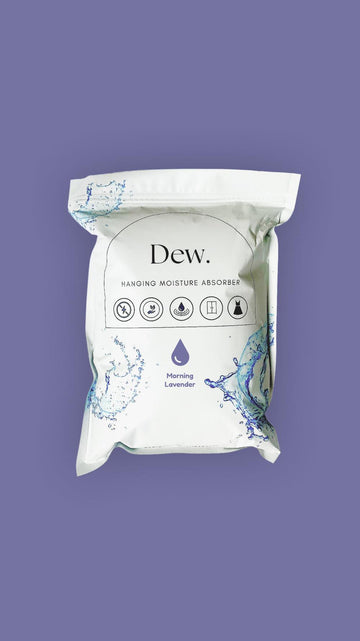
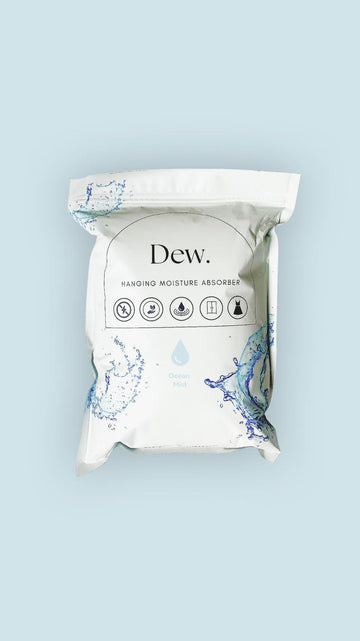
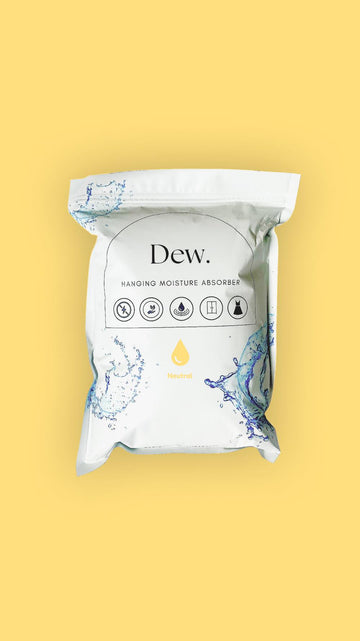
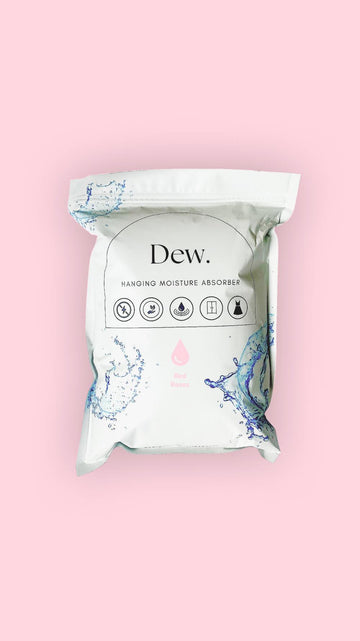
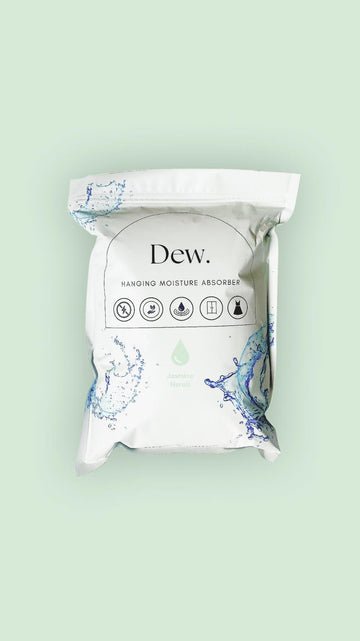
Use hanging moisture absorbers in coastal homes year-round. If you live within 5km of the coast, the daily moisture from sea breezes means your home's humidity is higher than it appears. Dew.'s hanging moisture absorbers in your wardrobes provide continuous passive protection without requiring any monitoring or maintenance — replace every 60 days.
Check stored items in sealed wardrobes. Wardrobes that are rarely opened — spare bedrooms, walk-in robes, storerooms — are the first places mould establishes itself in Perth homes, because they receive none of the incidental ventilation that comes from daily use.
Store leather goods with care. Perth summers are hard on leather — the combination of heat, UV, and intermittent humidity can dry leather out and cause cracking, while winter humidity encourages mould growth. Store leather shoes, bags, and belts with a moisture absorber nearby and avoid wrapping them in plastic.
The bottom line for Perth residents
Perth's climate is drier than most Australian cities, but it is not dry enough to ignore wardrobe humidity entirely — especially for coastal residents and during the winter wet season. A small amount of proactive moisture management goes a long way in a city where the dry spells can make it easy to forget the damp ones.
Perth winters are wetter than most people expect. Dew.'s hanging moisture absorbers protect your wardrobe during the wet season and beyond — simple, passive, and effective.


