
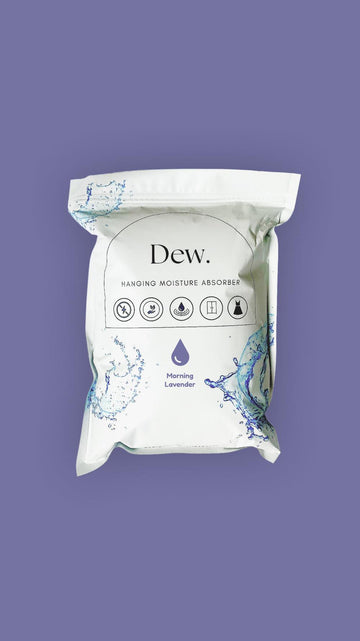
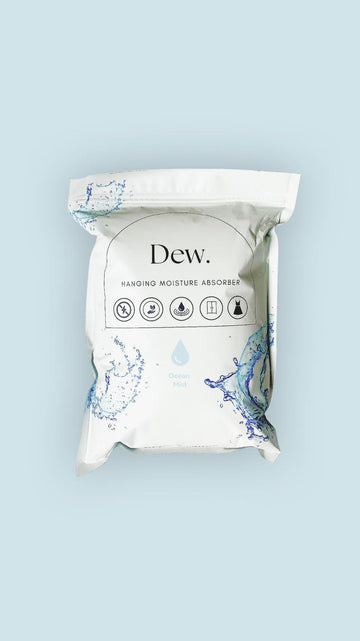
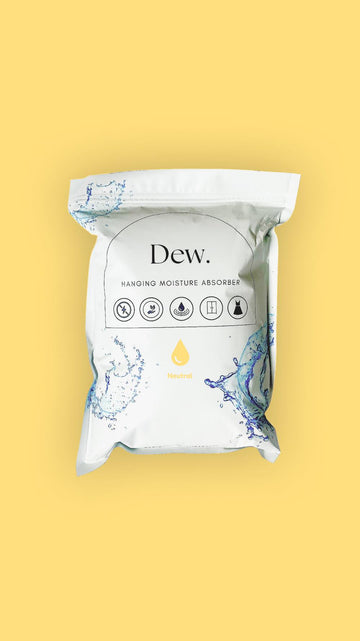
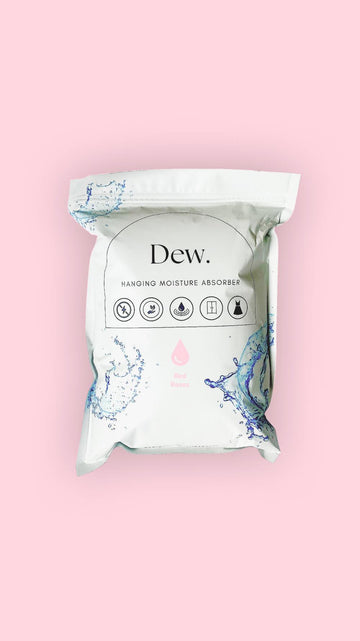


Preventing moisture in your home protects your health, your possessions, your home's structure, your energy bills, and your sleep quality. Every one of these is a tangible benefit — and the cost of preventing moisture is a small fraction of the cost of fixing the problems that follow it. It is, by some distance, one of the highest-return small upgrades you can make to a home.
The case for moisture prevention
Most home maintenance is reactive. Something breaks, you fix it. Moisture is one of the few areas where small, consistent prevention dramatically outperforms reaction — because by the time you can see or smell the problem, the damage is already significant. Here's what you actually get from preventing moisture in the first place.
1. Your family's health
Indoor air quality affects every breath every member of your family takes. Excess moisture leads to:
- Mould and mildew, with documented links to asthma, allergies, sinus infections, and chronic respiratory issues
- Dust mites, which thrive at humidity above 50% and are a leading allergen trigger
- Bacterial growth on damp surfaces and in carpet padding
- Reduced sleep quality from humid bedrooms
The health case is strongest for children, elderly family members, and anyone with existing respiratory conditions — our piece on protecting your family from mould covers the practical approach. For the underlying research, see how mould actually affects your health.
2. Your clothes, leather, and stored items
The financial case is often the most compelling. A typical Australian household has thousands of dollars worth of clothes, leather goods, and stored items vulnerable to humidity damage:
- Leather handbags and shoes develop mould bloom and permanent damage in humid wardrobes
- Wool and cashmere attract moths, which thrive in slightly damp conditions
- Cotton and linen develop musty smells and stains
- Silk spots and weakens with prolonged humidity exposure
- Sneakers and athletic shoes grow internal mould (see sneakers and humidity)
- Stored seasonal pieces are particularly vulnerable because they sit untouched for months
For most families, the value of items protected by moisture control vastly exceeds the lifetime cost of the prevention itself.
3. Your home's structure
Moisture damage to a home's structure is one of the most expensive issues to remediate. Slow, undetected moisture issues can:
- Rot timber framing, floor joists, and skirting boards
- Damage plasterboard, requiring removal and replacement
- Discolour and warp paint and wallpaper
- Cause floor coverings to buckle — floorboards, vinyl, laminate
- Compromise insulation, reducing energy efficiency and growing mould inside walls
- Damage cabinetry, especially MDF and particle board common in modern fitouts
- Corrode metal fittings like door hinges, screws, and electrical components
Our piece on the slow cost of leaving moisture alone covers what neglect actually costs over time — it's typically a five-figure number across a decade for most Australian homes that don't address moisture proactively.
4. Your energy bills
Humid air is harder to heat and cool than dry air. This means:
- Air conditioners work harder in summer, using more electricity
- Heaters feel less effective in winter, encouraging people to turn them up further
- Insulation that has absorbed moisture performs significantly worse
Studies suggest a 10% reduction in indoor humidity can produce a measurable reduction in heating and cooling costs. For homes in humid climates running AC daily, that's not nothing.
5. Your daily quality of life
The most underrated benefit of preventing moisture is the daily feel of your home. A home with proper humidity control:
- Smells fresh rather than vaguely musty
- Feels comfortable at lower thermostat settings (humid air feels warmer than dry air, but more importantly, dry air feels comfortable at a wider temperature range)
- Has dry, clean-feeling clothes straight from the wardrobe
- Wakes you up rested rather than stuffy
- Doesn't have that vague "something's off" quality that high-humidity homes develop over time
Our piece on why a fresh home feels different covers this in more detail.
The relative cost of prevention vs reaction
Here's the maths most homeowners don't run:
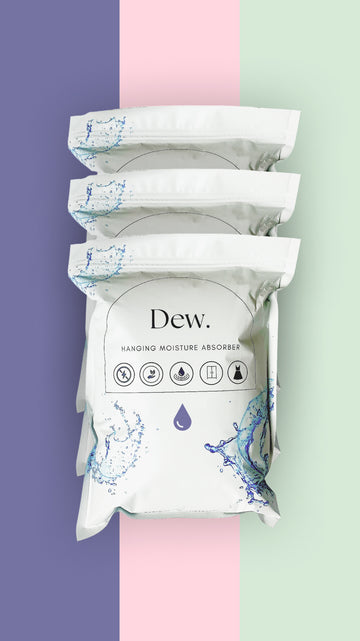
- Annual cost of distributed Dew. Moisture Absorbers across a typical 3-bedroom Australian home: $80–$200 depending on coverage
- Cost of professionally cleaning a single mould-affected leather handbag: $80–$200
- Cost of replacing a single wool coat ruined by moths in damp storage: $300–$1,500
- Cost of professional mould remediation for a single affected room: $500–$3,000
- Cost of replacing carpet damaged by sustained humidity: $1,500–$5,000 per room
- Cost of structural repair from prolonged undetected moisture damage: $5,000–$30,000+
Prevention is the financial no-brainer. The annual prevention cost is less than a single moderate reactive repair, and it compounds over decades of home ownership.
The simple prevention system
What does meaningful moisture prevention actually look like? Surprisingly little:
1. Measure
One or two hygrometers in main living areas, plus one in a wardrobe you can check easily. Target 45–55% relative humidity. (See how to test humidity in your home.)
2. Cover the enclosed spaces
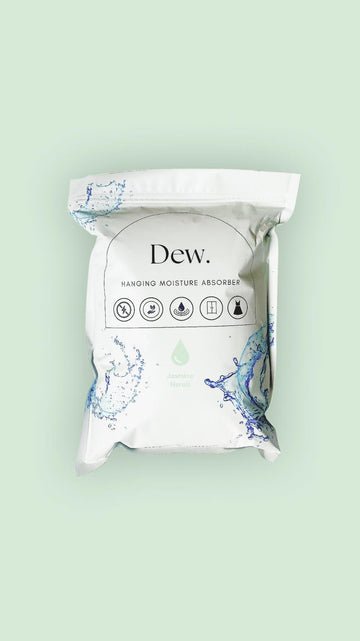
Dew. Moisture Absorbers in every wardrobe, cupboard, and enclosed storage space. Replace them every 45–90 days depending on your climate (our piece on how long moisture absorbers last covers regional timing).
3. Run the exhaust fans
20+ minutes after every shower, and use them when cooking with lots of steam.
4. Ventilate
Open windows daily, even briefly. Cross-flow when possible.
5. Don't add unnecessary moisture
Avoid drying washing inside on humid days (drying clothes inside covers the practical management).
6. Watch for the signs
Quarterly walk-through of all the spaces in the home. Our signs of mould guide covers what to watch for.
Frequently asked questions
Is moisture really that big a problem in Australian homes?
Yes — particularly in coastal areas, older homes, and modern sealed apartments. Australia's climate combines warm temperatures with significant humidity in many cities, creating ideal conditions for mould, dust mites, and the gradual material damage that comes with sustained moisture.
What's the most cost-effective moisture prevention?
Distributed moisture absorbers in enclosed spaces (wardrobes, cupboards, storage) combined with consistent use of bathroom exhaust fans and daily window ventilation. This combination handles 80% of typical home moisture issues at a fraction of the cost of dehumidifiers, mechanical ventilation systems, or remediation work.
How long until I notice the benefits of moisture prevention?
Immediate benefits include the smell and feel of the home. Health benefits emerge over weeks to months as airway inflammation settles. Long-term benefits to your possessions and home structure are by definition slow — they show up as the absence of problems you would otherwise have had.
Can I prevent moisture issues in an older Australian home?
Absolutely. Older homes often have better natural ventilation than modern apartments, which works in your favour. The challenges are usually around external walls and basement-level spaces. A combination of moisture absorbers, exhaust fans where they exist, and good airing habits is effective for most older homes.
Preventing moisture isn't glamorous, but it's one of those quietly excellent investments in your home that pays back for decades. Clothes last longer, family stays healthier, the home itself ages better, and you don't have to deal with the smell, the panic, or the bills that come with reacting to mould rather than preventing it.


