
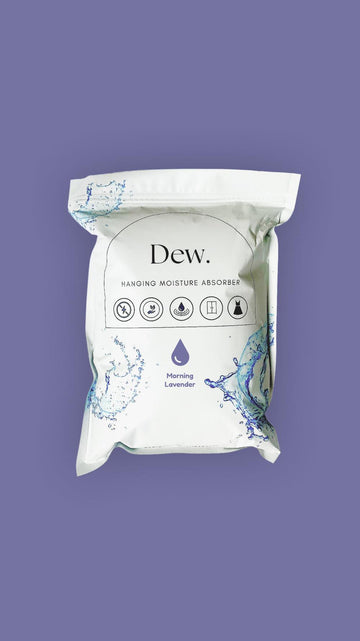
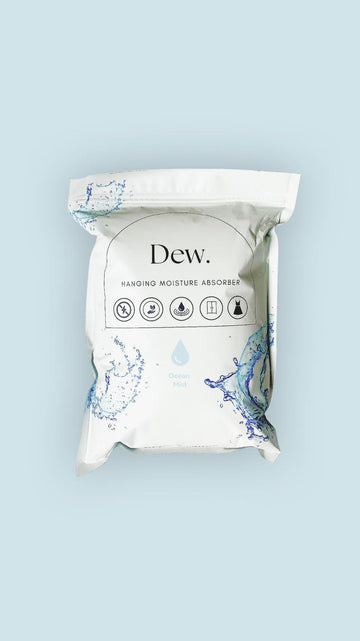
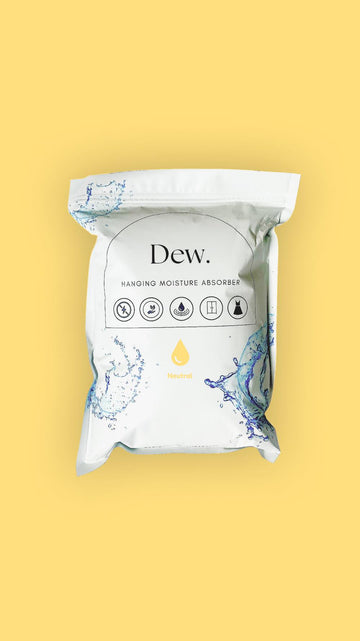
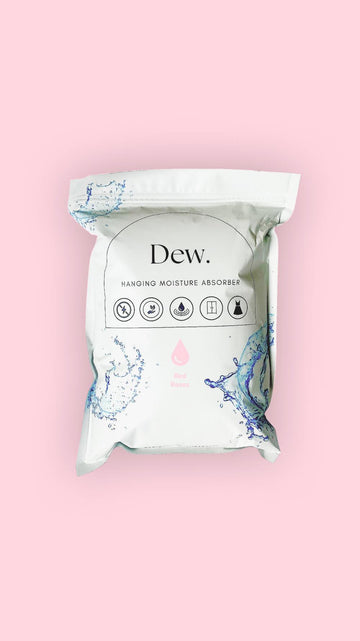
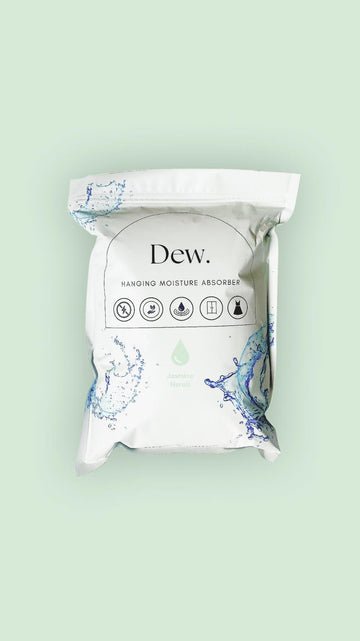


A quality hanging moisture absorber typically lasts 45 to 90 days. The exact lifespan depends on three things: the humidity of the space, the size of the area, and the capacity of the absorber. In humid coastal Australia, expect closer to 45 days. In drier regions or sealed cupboards, you can stretch them to 3 months or more.
What actually determines lifespan
A moisture absorber doesn't have a fixed expiry date — it works until the desiccant inside is fully saturated. Several variables affect how quickly that happens:
Ambient humidity
This is the biggest factor. At 80% humidity, an absorber works roughly twice as hard as it does at 50% humidity. A unit lasting 90 days in Melbourne in winter might last 30–40 days in Cairns in summer. If you're not sure what your indoor humidity actually is, our guide to testing the humidity in your home walks through it.
Size of the space
An absorber in a small linen cupboard has less air to dehumidify than one in a walk-in wardrobe. More cubic metres of air means more moisture to capture, which means a shorter lifespan per unit.
How sealed the space is
A frequently-opened wardrobe pulls in humid room air every time the door opens. A rarely-used storage cupboard stays dry once you've conditioned the air. The more sealed, the longer the absorber lasts.
Temperature
Warm air holds more moisture than cool air. The same humidity reading at 30°C carries more actual water than at 20°C. Summer storage cycles burn through absorbers faster.
Absorber capacity
Different products hold different amounts of water before saturation. A 400g unit lasts roughly twice as long as a 200g one in the same conditions. For more on how to use yours effectively, see how to use Dew.
Realistic lifespans by Australian region
Based on a standard 400g hanging absorber in a typical wardrobe, here's what to expect:
- Cairns, Darwin, Top End (wet season): 30–45 days
- Brisbane, Gold Coast, coastal NSW (summer): 45–60 days — more detail in our Brisbane humidity guide
- Sydney (year-round average): 60–75 days — see how Sydney humidity affects your wardrobe
- Melbourne, Adelaide (winter): 60–90 days — see our pieces on managing mould in Melbourne winters and moisture and mould in Adelaide homes
- Perth, inland regions: 75–120 days — our Perth wardrobe moisture guide covers the local climate
- Tasmania (drier months): 90–120 days
These are averages. Your actual mileage will vary based on the size of your wardrobe, how often you open it, and whether the space is on an external or interior wall.
How to tell when your absorber needs replacing
Don't guess — there are clear visual cues:
- Check the reservoir. Most hanging absorbers have a transparent base. When the water level reaches the maximum line, it's done.
- Look at the desiccant. If you can see the crystals at the top, they should still look granular. Once they look completely wet, melted, or like a slurry, the unit has reached capacity.
- Feel the bag. The top section should be firm and dry to the touch. If it feels heavy and squishy, the desiccant is saturated.
- Notice the humidity creeping back. If you have a hygrometer and you see humidity climbing back above 60%, the absorber isn't keeping up anymore.
How to make moisture absorbers last longer
You can stretch lifespan with a few simple habits:
- Don't leave wardrobe doors open unnecessarily — every minute the door is open is fresh humid air flowing in
- Use the right size unit for the space — oversized absorbers in small cupboards mean wasted capacity
- Run AC or a dehumidifier in living areas on extremely humid days — reducing whole-home humidity makes absorbers last longer
- Store fully dried clothes only — putting damp items in essentially feeds the absorber unnecessarily
- Replace before they're fully saturated in humid seasons — a saturated unit can stop performing well days before it reaches the top line
The cost-per-day breakdown
A premium hanging moisture absorber that costs around $15 and lasts 60 days works out to 25 cents per day per wardrobe. For households with multiple wardrobes, the running cost is still significantly less than a small dehumidifier ($1–3 per day in electricity) — our breakdown of moisture absorbers vs silica gel vs dehumidifiers covers the maths in detail.
The maths gets more compelling when you factor in what they're protecting. The cost of replacing mould-damaged clothes, leather bags, or shoes in a single season usually exceeds years of moisture absorber use — our piece on the slow cost of leaving moisture alone goes into the numbers.
Frequently asked questions
Do moisture absorbers expire if I don't use them?
Unopened, they can sit for years. The desiccant only starts absorbing once the seal is broken and the unit is exposed to air. Store the spares somewhere cool and dry.
What happens if I leave a saturated absorber in place too long?
It stops absorbing, and in some cases can begin to leak the collected brine. Replace promptly once full.
Can I make a moisture absorber last longer by hanging it lower or higher?
Hang it where humidity actually settles — at clothing level, not at the top of the wardrobe. Won't extend lifespan, but it will be more effective while it works.
Why does my absorber seem to fill up faster than the box suggests?
The lifespan on the packaging is usually based on average conditions — around 60% humidity in a sealed test environment. If you're in a humid Australian summer with frequently opened wardrobes, you're at the high end of the demand curve.
Quality moisture absorbers are a small ongoing cost for a noticeable difference in how your wardrobe feels and smells — and a much bigger difference in what survives a humid Australian summer in good condition.


