



Autumn rain causes mould in Sydney homes because of a specific combination: still-warm autumn temperatures, persistent rainfall, declining sunshine hours, and homes transitioning from open-windows summer to closed-up winter mode. The result is high indoor humidity that sits trapped against cooling walls and inside wardrobes — perfect conditions for rapid mould growth, especially in March, April, and May.
Why autumn is Sydney's worst mould season
Most Sydneysiders think summer is the high-humidity season — and ambient humidity is highest then. But homes typically survive summer better because windows are open, fans are running, and air is moving. Autumn changes everything:
- Warm temperatures hold moisture in the air. Sydney autumns average 18–23°C — warm enough for air to carry plenty of water vapour.
- Rainfall increases. March, April, and May are among Sydney's wettest months on average, especially during La Niña years.
- Sunshine hours drop. Less UV means less natural drying of surfaces, fabrics, and outdoor washing.
- Homes close up. The first cool nights of autumn signal people to shut windows and stop running fans — right when humidity protection is most needed.
- Walls start to cool. External walls drop in temperature, creating colder surfaces where humid air can condense.
- Indoor heating begins. Heating dry air sucks moisture from anything it can, but if you're not heating consistently, condensation forms on cold surfaces.
Combined, these factors mean Sydney autumns regularly hit 70%+ indoor humidity — well past the 60% threshold where mould begins to grow rapidly. Our broader piece on Sydney humidity and your wardrobe covers the year-round picture, but autumn deserves specific attention.
The autumn rain effect, room by room
Wardrobes
Closed wardrobes pull in humid bedroom air every time the door opens, then seal it inside. By mid-autumn, an unprotected Sydney wardrobe can hit 75% humidity — a level where mould visibly grows in days. Leather goods, wool coats, and natural fibres are at greatest risk. (See our pieces on protecting leather bags from mould and spotting the early signs.)
Bathrooms and ensuites
Already moisture-heavy spaces, bathrooms in autumn face additional pressure because exhaust fans work less efficiently against humid outside air. Mirror fogging that takes longer to clear is the early warning. Our piece on why bathroom mirrors fog covers the mechanics.
Bedrooms
People breathe out moisture overnight — roughly half a litre per person, per night. With windows closed against autumn cold, that moisture has nowhere to go. Add a partner, a pet on the bed, or a humidifier (which many people start running for skin in autumn), and bedroom humidity climbs fast.
Laundries
Autumn is when indoor washing drying becomes common in Sydney — partly because of rain, partly because the warm afternoons of summer are gone. A load of washing drying inside releases 2–3 litres of water into the air. Our piece on drying clothes inside without creating moisture problems covers the practical management.
External walls and corners
The walls of older Sydney terraces, federation homes, and weatherboard cottages are particularly prone to autumn condensation. Cool external walls + warm humid indoor air = water forming on the wall, slowly soaking into plaster and timber.
The autumn mould timeline
If you don't intervene, here's what typically happens in a Sydney home through autumn:
- Early March: Humidity creeps up; faint musty notes start in wardrobes
- Mid-March: First condensation events on windows during cool mornings
- April: Visible mould bloom on leather goods, especially handbags and shoes
- Late April / Early May: Mould patches appear on bathroom ceilings and wardrobe back walls
- Mid-May: Persistent musty smells throughout the home; remediation now requires significant work
The pattern is consistent year after year for many Sydney homes — and equally consistently, most people don't act until they can see or smell the problem, which is weeks past where prevention would have worked.
The autumn mould prevention plan for Sydney homes
1. Pre-empt by mid-February
Don't wait for autumn rain. By mid-February, install fresh moisture absorbers in every wardrobe, cupboard, and enclosed space. Set the system up before the conditions hit.
2. Run dehumidifiers strategically
A portable dehumidifier in the most-affected room (usually a bedroom or living area) makes a significant difference. You don't need to run it 24/7 — a few hours a day is often enough to keep ambient humidity manageable.
3. Use Dew. Moisture Absorbers in every enclosed space
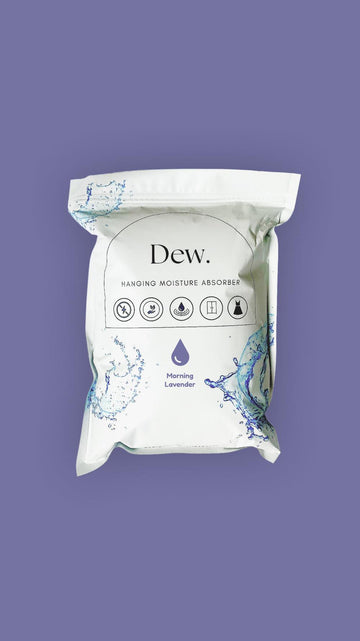
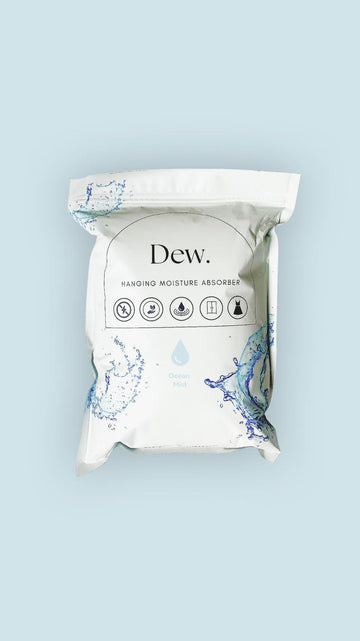
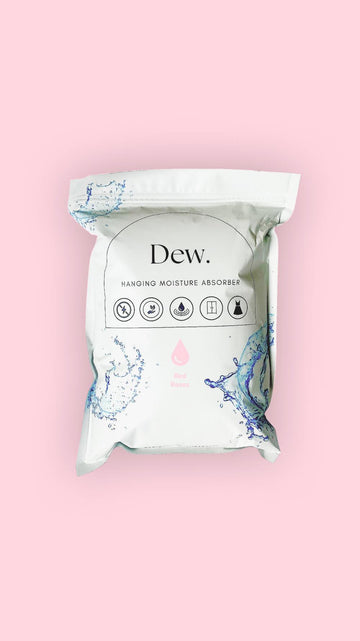
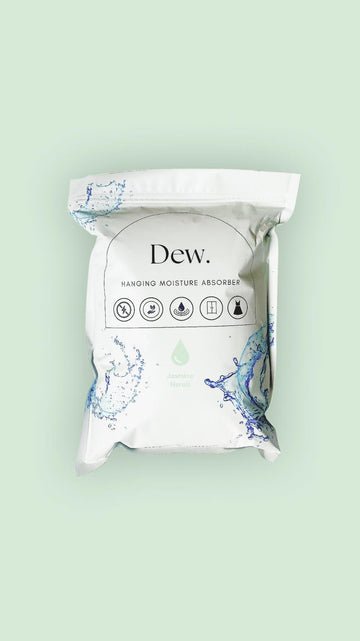
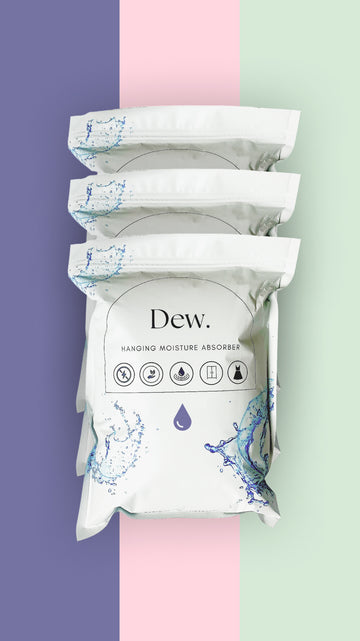
This is the autumn workhorse for Sydney homes. Dew. Moisture Absorbers work continuously without electricity, sized for the volume of a wardrobe or cupboard. Place them in:
- Every bedroom wardrobe
- The linen closet
- The hallway storage cupboard
- The laundry
- Any room with a closed door for long periods
- Walk-in robes and storage rooms
Expect autumn absorbers to fill faster than summer ones — our guide on how long moisture absorbers last covers the timing.
4. Air the home on the dry days
Sydney autumns aren't all rainy — use the dry, breezy days (often after a front passes) to throw windows open for an hour, dry the air, and reset humidity throughout the home.
5. Run bathroom exhaust fans religiously
20 minutes after every shower, minimum. If your fan is weak or old, consider replacing it — a stronger fan is one of the most cost-effective autumn upgrades for a Sydney bathroom.
6. Don't dry washing indoors when you can avoid it
Use covered outdoor lines, drying racks under verandas, or a dryer with proper venting. A heated airing rack with the doors and windows shut adds significant humidity to the home.
7. Watch the early signs daily
Open wardrobes and storage spaces with intent during autumn. Smell, look, feel. Our piece on signs of mould in your wardrobe covers what to watch for. Five seconds of attention per space, twice a week, catches the problem at the stage where it's easy to fix.
If autumn rain has already caused mould
- Don't panic — caught early, autumn mould is manageable
- Empty affected wardrobes and storage, take items outside to assess
- Wipe down hard surfaces with 1:1 white vinegar and water
- Wash affected fabric with added vinegar; air-dry in sunlight if possible
- Address leather goods per our leather bag protection guide
- Install fresh moisture absorbers in cleaned spaces — same day
- Monitor humidity closely for the rest of autumn
Frequently asked questions
Why does Sydney get so much mould in autumn?
Sydney autumns combine warm temperatures (which let air hold moisture), persistent rain, declining sunshine hours, and homes closing up against cooler nights. The result is high indoor humidity trapped against cooling walls and inside wardrobes — ideal mould conditions.
What's the worst month for mould in Sydney?
April and early May are typically the highest-risk period. Late March has the same humidity but homes haven't yet fully closed up; by late May, temperatures have dropped enough that air carries less moisture overall.
How can I tell if autumn rain is causing mould in my home?
Watch for: faint musty smells in wardrobes, condensation on windows in the early morning, increased mirror fogging, and any white or grey bloom on leather goods. These early signs show up well before visible mould patches.
Do I need a dehumidifier in autumn in Sydney?
It depends on your home. Newer apartments, terraces, and homes with poor ventilation often need one running occasionally through autumn. Well-ventilated free-standing homes with good airflow can usually manage with strategic moisture absorbers in enclosed spaces and good habits around airing.
Sydney autumn rain doesn't have to mean autumn mould. The conditions are predictable, which means the prevention is predictable too. Start the system in February, run it consistently through to June, and the same autumn that wrecks your neighbour's wardrobe leaves yours fresh.


